
How Do You Say “What a Relief” in Spanish?
Say ¡Qué alivio! It works just like the English: you say it the moment a worry disappears, when your keys turn up or the bus finally comes. Close cousins are ¡Menos mal! ("thank goodness") and the more casual ¡Uf, qué bueno! All three express relief.
When people say it
-
Your keys were in your pocket all along.
¡Qué alivio! ¡Aquí están!
What a relief! Here they are!
-
The doctor says it's nothing serious.
¡Qué alivio!
What a relief!
-
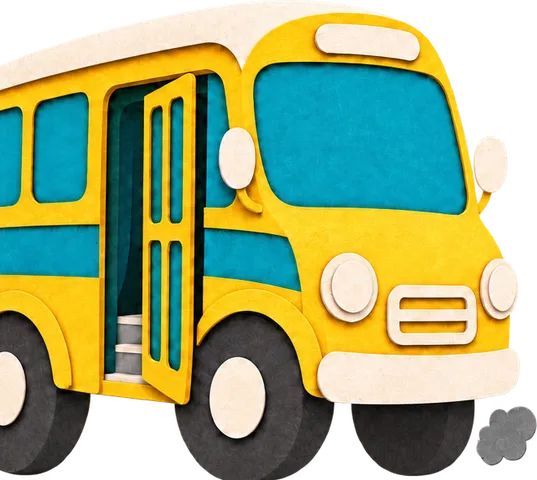
The last bus is still at the stop.
¡Menos mal!
Thank goodness!
Say it right
- One form for everyone. It doesn't change with tú or usted.
- Stress the middle of alivio: ah-LEE-byoh.
- ¡Menos mal! works for the same moment and is very common.
How to respond
When a friend says ¡Qué alivio!:
- ¡Qué bueno! — That's great!
- Me alegro. — I'm glad.
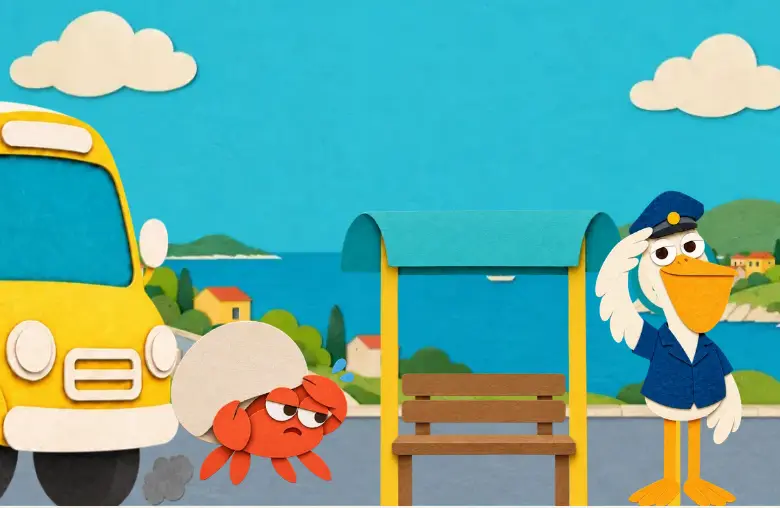
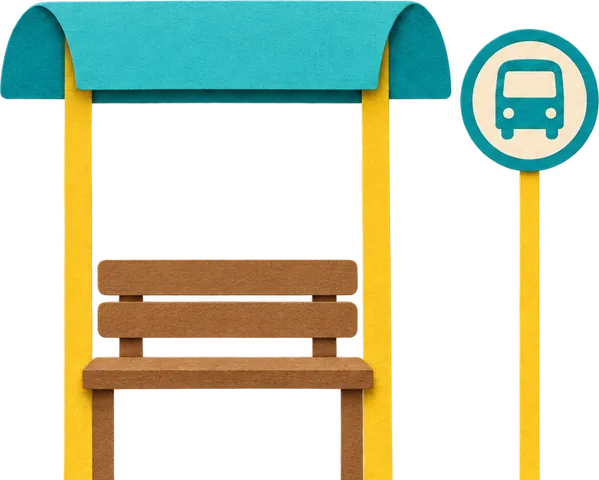
Play it with Pelícano at the bus stop.
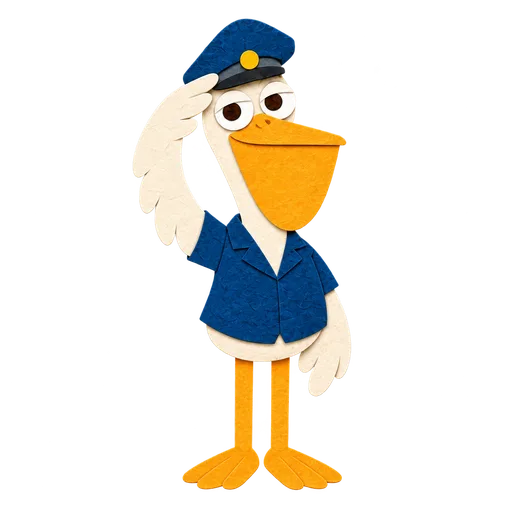
- Pelícano Ya llegó el autobús, joven. The bus is here, young man.
- You ¡Qué alivio! What a relief!
- Pelícano ¿Busca algo? Looking for something?
- You Mis llaves. My keys.
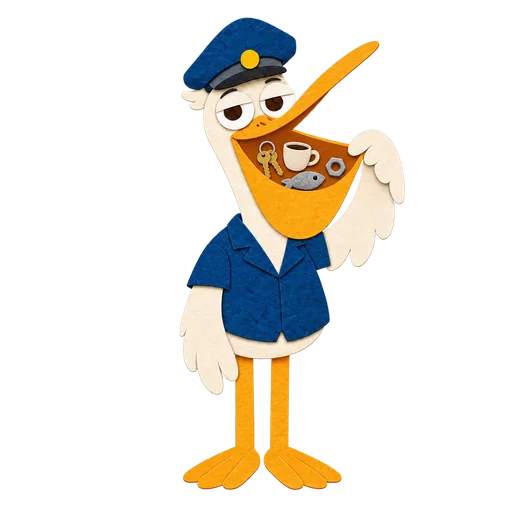
- Pelícano Mire aquí. Look in here.
- You ¡Qué alivio! ¡Aquí están! What a relief! Here they are!
- Pelícano holds his beak pouch open: your keys, a coffee, a little fish and a bolt from the bus. He doesn’t blink.
Memory trick
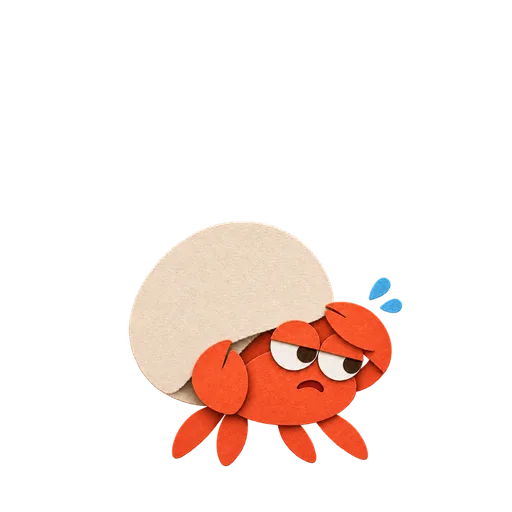
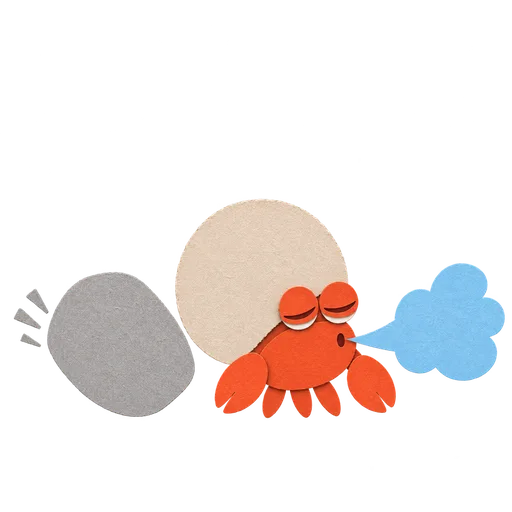
Alivio sounds like alleviate: the weight lifts. Dale hauls a worry the size of a boulder, lets it roll away with one huge breath, and floats.



Try it from memory
Tortuga smiles: everything looks fine. What does Dale say?
Quick questions
What's the difference between "¡Qué alivio!" and "¡Menos mal!"?
Both fit the same moment. ¡Menos mal! is a little more like "thank goodness".
How do you say "I'm relieved" in Spanish?
Me siento aliviado (man) or Me siento aliviada (woman). ¡Qué alivio! is more natural in the moment.
Checked November 29, 2026 · How we check our Spanish

Tomorrow's phrase is waiting in Cobito.
Coming to iPhone.
Walk into the town